Mobile Games That Encourage Competitive Play
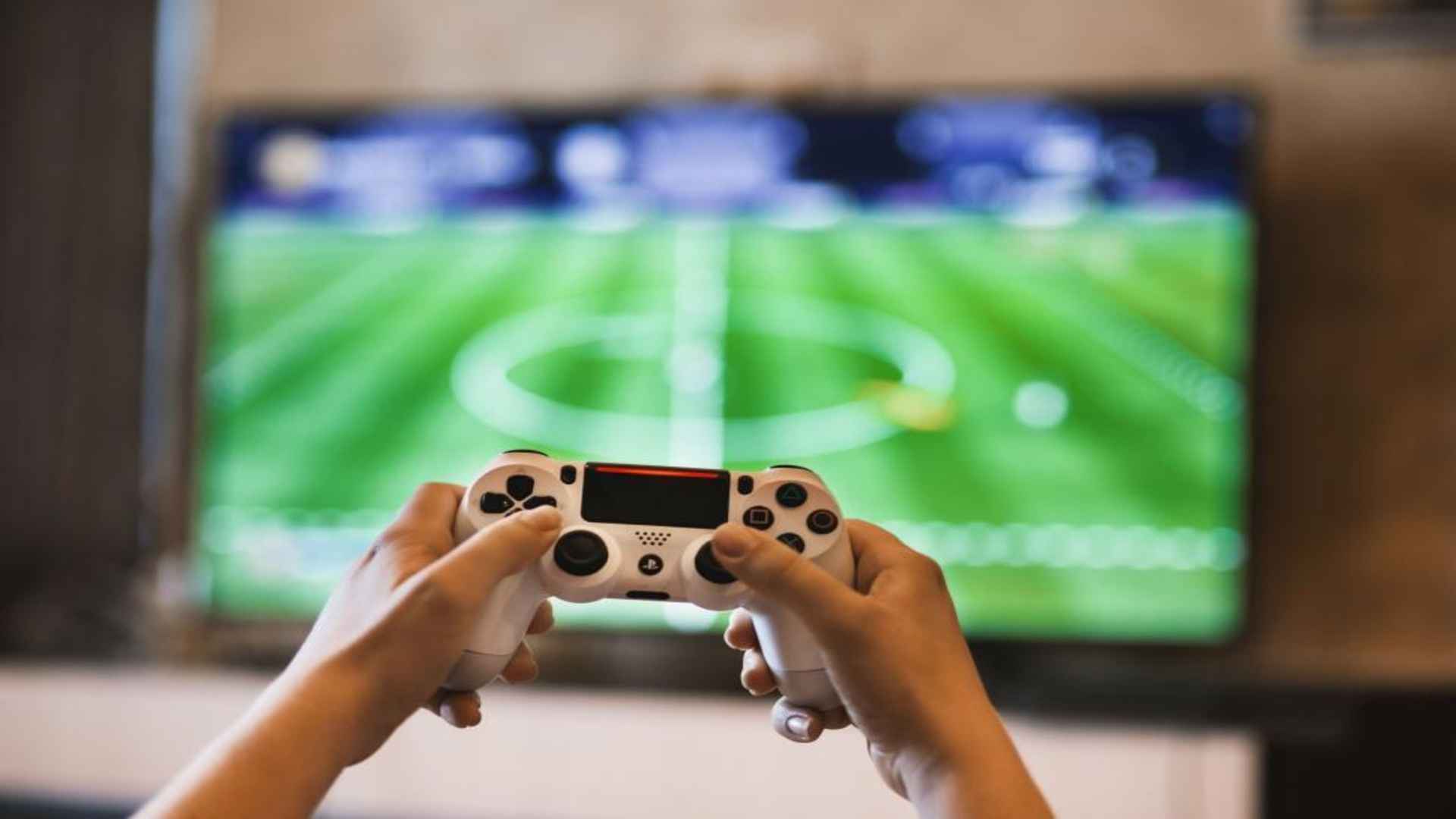
The mobile gaming landscape has shifted dramatically from simple time-wasters to high-stakes arenas that demand intense skill and strategic depth. Modern smartphones now offer the processing power and low-latency connectivity required to host sophisticated multiplayer experiences once reserved for desktop PCs. This evolution has fostered a global community of players who view their mobile devices as essential tools for professional-grade competition.
The Psychological Drivers of Mobile Competition
Human beings are naturally inclined toward challenges that test their reflexes and mental acuity against a peer group. Mobile games tap into this desire by providing instant access to ranked matchmaking systems and global leaderboards. These features create a sense of tangible progress, encouraging players to refine their techniques and climb the digital ranks.
The social aspect of competitive play also plays a significant role in its widespread popularity among younger demographics. Players often form teams or clans, sharing strategies and working together to overcome formidable opponents. This cooperative element adds a layer of depth that keeps users engaged far longer than solo gaming experiences.
Essential Features of Top Tier Competitive Apps
A successful competitive mobile game must prioritize fairness and balance to ensure that skill remains the primary driver of success. Developers achieve this by implementing rigorous matchmaking algorithms that pair players of similar experience levels together. Without these balanced systems, the competitive integrity of the game would quickly diminish, leading to high user churn.
High-quality graphics and responsive touch controls are also vital for maintaining a professional gaming environment. When a split-second decision can determine the outcome of a match, the technical performance of the application is just as important as the player's ability. Modern developers invest heavily in optimizing their game engines to prevent lag or input delay during critical moments.
Diversifying the Competitive Experience
Competition is no longer limited to first-person shooters or battle royale titles, as the industry has expanded into diverse genres. Strategy games and card battlers now offer some of the most complex competitive environments available on handheld devices. These titles require long-term planning and a deep understanding of game mechanics rather than just quick reflexes.
The rise of mobile esports has further validated the competitive nature of these digital platforms by offering substantial prize pools. Enthusiasts who follow professional circuits often turn to specialized platforms like m88 sports to stay updated on the latest tournament developments. These ecosystems provide a bridge between casual play and the professional world of competitive gaming.
Building a Sustainable Competitive Career
For those looking to transition from casual interest to a more serious pursuit, consistency is the most important factor for success. Top-tier players often dedicate specific hours to practice, focusing on mastering one or two characters or strategies. This focused approach allows them to understand the nuances of the game that casual participants might overlook.
Maintaining a healthy balance between digital competition and real-world responsibilities is also essential for long-term performance. Mental fatigue can significantly impact reaction times and decision-making abilities during intense matches. Successful competitors prioritize their well-being to ensure they can perform at their peak when it matters most.
The Technical Future of Mobile Matches
As 5G technology continues to roll out globally, the potential for even more complex and large-scale mobile competitions will grow. We can expect to see more immersive experiences that leverage augmented reality and real-time social integration. These innovations will continue to push the boundaries of what is possible within a mobile ecosystem.
The integration of cross-platform play is another trend that is breaking down barriers between different gaming communities. By allowing mobile users to compete directly against PC and console players, developers are creating a more unified competitive landscape. This ongoing evolution ensures that the future of mobile gaming remains bright and filled with opportunities for skilled players.